
How to be a responsible tourist or traveller and contribute to making things better - Here's 10 simple tips.

Here are 10 simple ways to be a responsible traveller and contribute to making things better for yourself and others.
Yes, these are just a matter of simple common sense and there's no big ideas here, but yet, we're listing them here below to promote responsible travel for the benefit of everyone.
- Do Not Litter
- Choose Reusable Water Bottles
- Save Water - Don't forget to turn off the taps
- Save Electricity - Don't forget to turn off the switches
- Use Eco-Friendly Products - Avoid single use plastic
- Prefer e-rides, if available, and when possible
- Keep distance from Wildlife
- Do not touch or handle the heritage
- Behave respectfully
- Follow the rules
1. Do Not Litter

Do Not Litter - Help places you visit to remain clean by using the dustbins or trash cans - Dispose your trash properly. This is at the top of the list because you can see so much trash littered in a lot of tourism places, whether it be beaches, mountains, forests or wilderness, around mounuments or other tourist attractions, etc.
And not only at tourist attractions, but even along the roads and railways, one can see trash thrown by them along certain stretches or locations.
So whether it be any place you're at, any road you're passing through or a roadside you stop by, or whether you're travelling inside a mass transport such as buses or trains etc., just do not litter and always properly dispose your trash.
Also see : How to avoid littering and be a responsible traveller for more details.
2. Choose Reusable Water Bottles

Choose reusable or refillable water bottles - Try to use metal water bottles or PET jars, Avoid single-use plastic water bottles.
At some places, where you'd need to buy plastic water bottles as they'd be the only source of clean drinking water, ensure that you'll follow point No. 1 and dispose the plastic bottles properly in a dustbin or trashcan and do not just litter them anywhere you wish.

You can also fill your reusable water bottles with the water from single-use water bottles, to avoid littering them at places where you may not find a dustbin or a trash can.
3. Save Water - Don't forget to turn off the taps

Save Water - Don't forget to Turn Off Water Taps at hotels or accommodation rooms where you're staying at, or at any place you're visiting. Even if there is no water flowing out of a certain tap, do not forget to close it fully, as it may begin flowing later on if the water supply to it restarts.
4. Save Electricity - Do not forget to switch off when leaving your room

Save Electricity - Do not forget to switch off the lights, fans, AC, etc., while leaving your hotel room or accommodation. While some hotels may have an automatic system of turning off everything when you remove the keys from its fixture, many places you may stay at may not have such a feature.
5. Use Eco-Friendly Products - Avoid single use plastic

Use Eco-Friendly Products whenever possible. Try to avoid single-use plastic bags, and if it's unavoidable, then do not litter them and dispose them properly at dust bins or trash cans, as already mentioned in point No. 1.

Try to use reusable water bottles instead of depending on single-use ones, whenever possible, as mentioned in point No. 2.
6. Prefer e-rides, if available, and when possible

Choose e-rides wherever available - Try to take a ride in electric vehicles whenever possible and reduce dependency on fossil fuel vehicles that run on petrol, diesel, etc.


You may prefer to use an electric car, bus, two wheeler, or an auto rickshaw, if they're available and if they're feasible in the route or area that you're travelling.

In case you're driving an Electric vehicle yourself, whether a hired one or your own, do make a note of availability of EV charging stations in the routes and areas you're planning to travel in, to see if it's feasible, as they may not yet be available in many regions or locations.
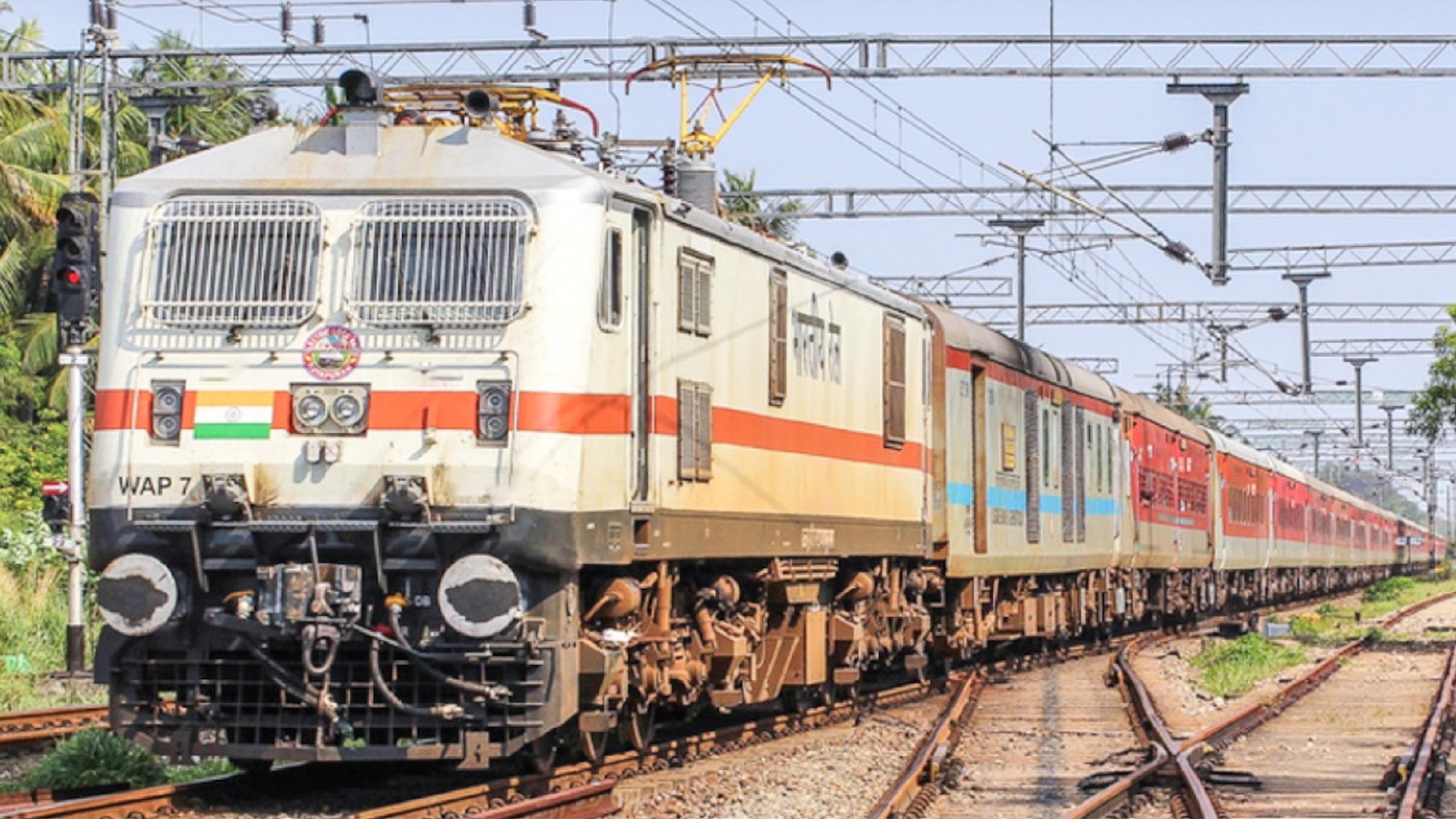
For another example, as on July 2026, Indian Railways has already electrified over 99% of its board gauge railway lines (broad gauge is the predominant gauge, with nearly 97% of all of Indian Railways' network is broad gauge tracks), so, if you choose them whenever possible and feasible for your travels, then you'd be contributing to lesser pollution.
7. Keep distance from Wildlife

Keep distance from Wildlife - Avoid going too close and keep good distance between you and wild animals or birds, when you're on a wildlife tour or if you encounter them on the roads, in forest or wilderness areas, or at any place that you may visit on your tours or travels.

Do not go closer or disturb them. It is better and safer this way for both you as well as the wildlife.
8. Do not touch or handle the heritage

Do not touch or vandalise Heritage Sites - Do not touch or handle the heritage sites or sculptures in a way that may cause damage to them.
Heritage monuments and relics have survived thousands of years and are great remnants of our history and culture. They deserve to be treated with respect. Enjoy their spectacular splendour without harming them.
9. Behave respectfully

Behave respectfully while travelling and at places you visit - Do not be a loudmouth or create a noise or ruckus whether you're travelling by public transport or when you're at a place of interest at a tourist destination. Sure, you're on a trip to have fun but do it without troubling others.
In case of heritage sites, such as, many temples or religious sites, can attract a large number of tourists and several of them may still be a place of active worship, and the people there may still consider it sacred. Respect the sentiments of the locals or devotees at places with active worship or at places which are still considered sacred by them and maintain decorum.
While many places may not restrict recording a video or taking pictures, do that in a respectful manner and not make a scene there that may cause discomfort to others.
10. Follow rules while travelling and at places

The rules are there for a purpose. Follow them and it will be better for everyone. For example, if it says no photography or videography allowed, then don't try to get a picture or a video there, unless you have a legit permission to do so.
Some places may allow photography or videography on the outside but may prohibit on the inside, which are usually noted on a signboard at the place itself. This may vary from place to place, so read the signboards and act accordingly.
For another example, when driving along the roads and highways, follow the safety norms and speed limits. Never drive on the wrong side of the road for any reason.
For another example, there's a rule in Indian Railways that one should not be sleeping on the lower or middle berths between 06:00 AM to 10:00 PM. This rule that the middle berth should be folded and not used is for the reason that it should allow others who have booked the seats there to be seated properly during that time.
Did we miss anything? Let us know! We always try to be a responsible traveller. Do you?